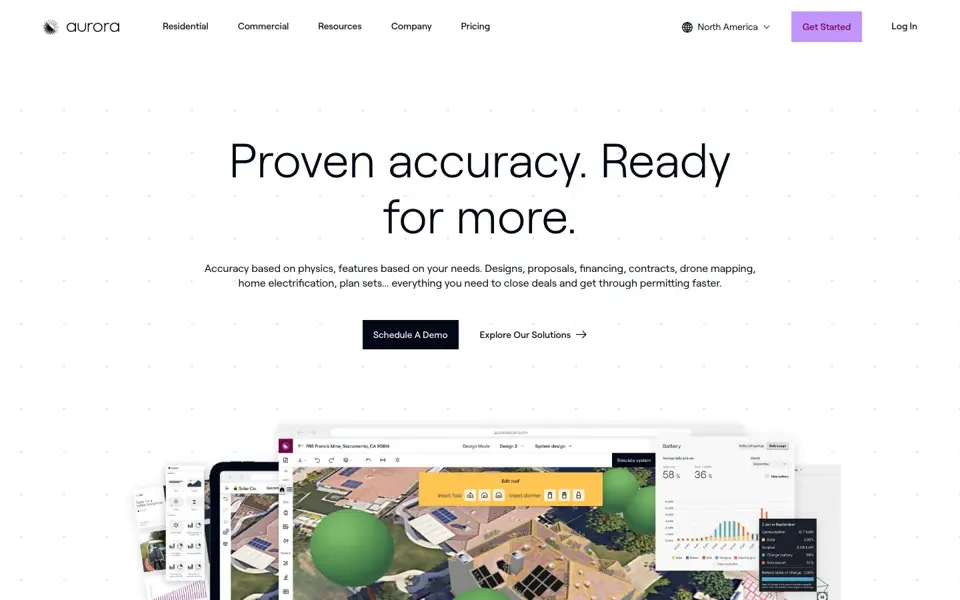
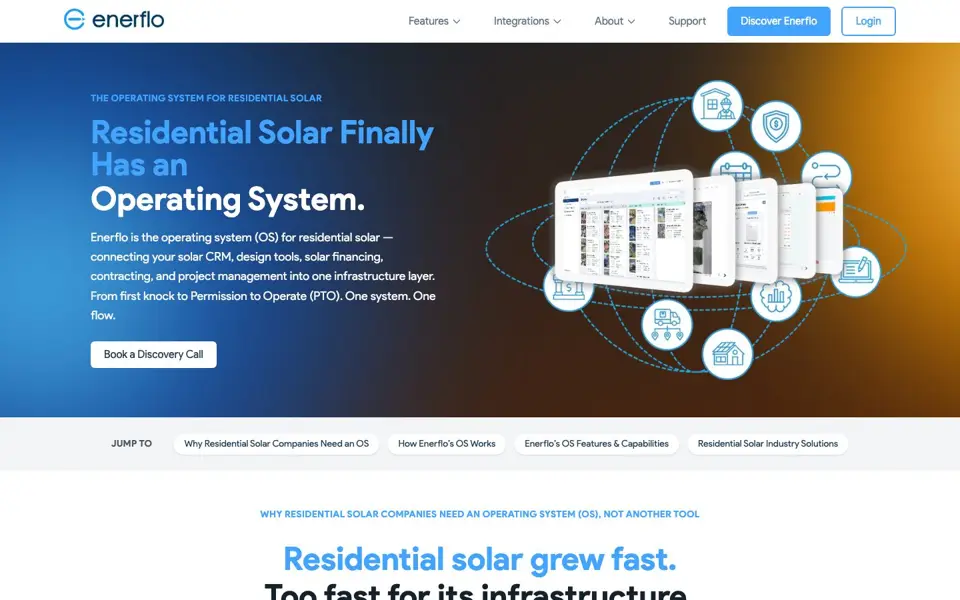
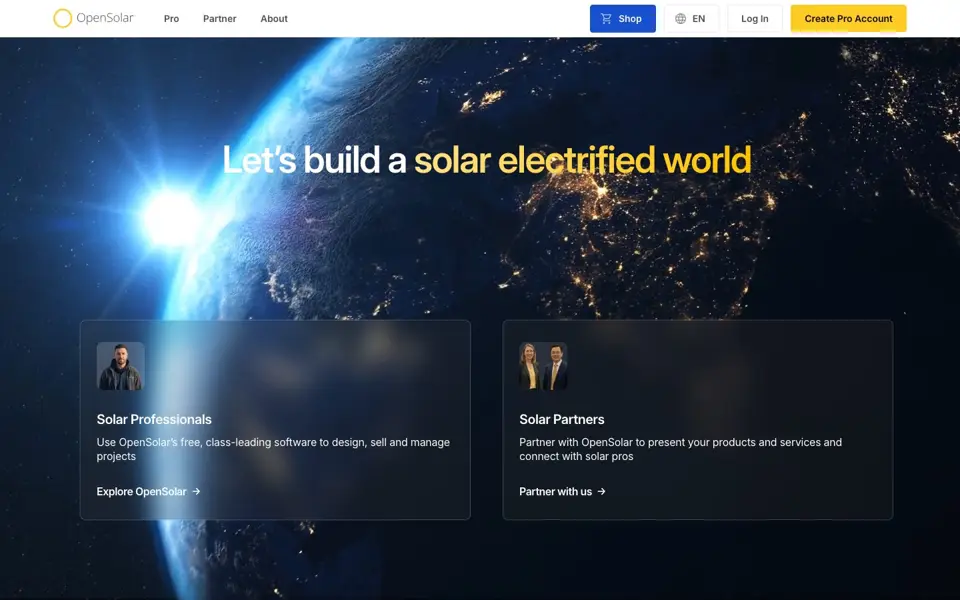
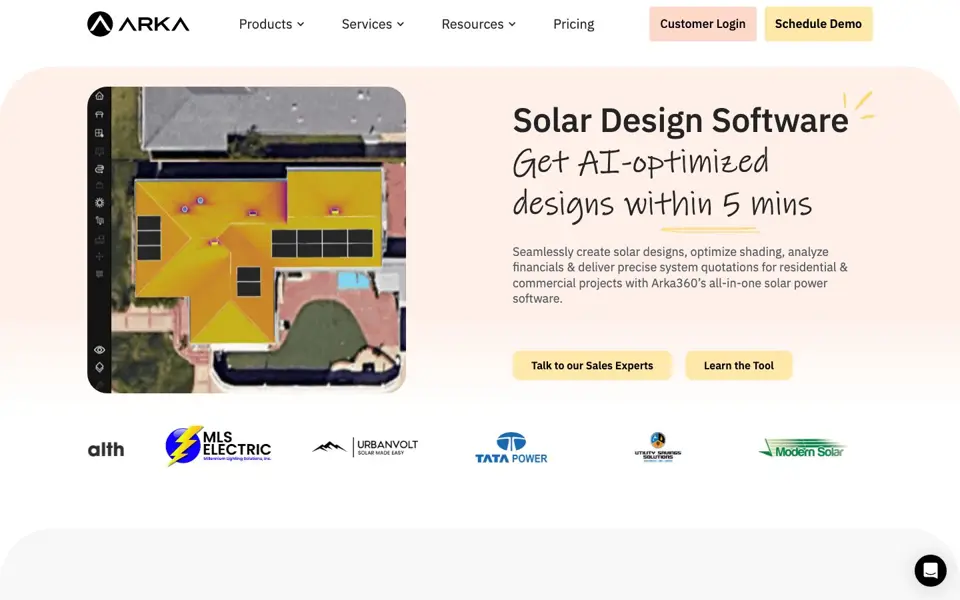
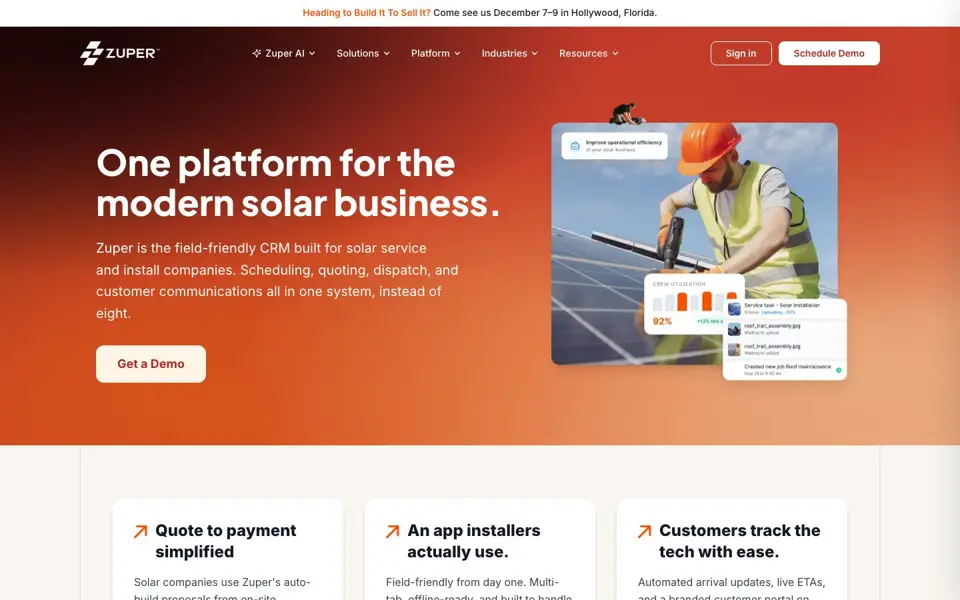
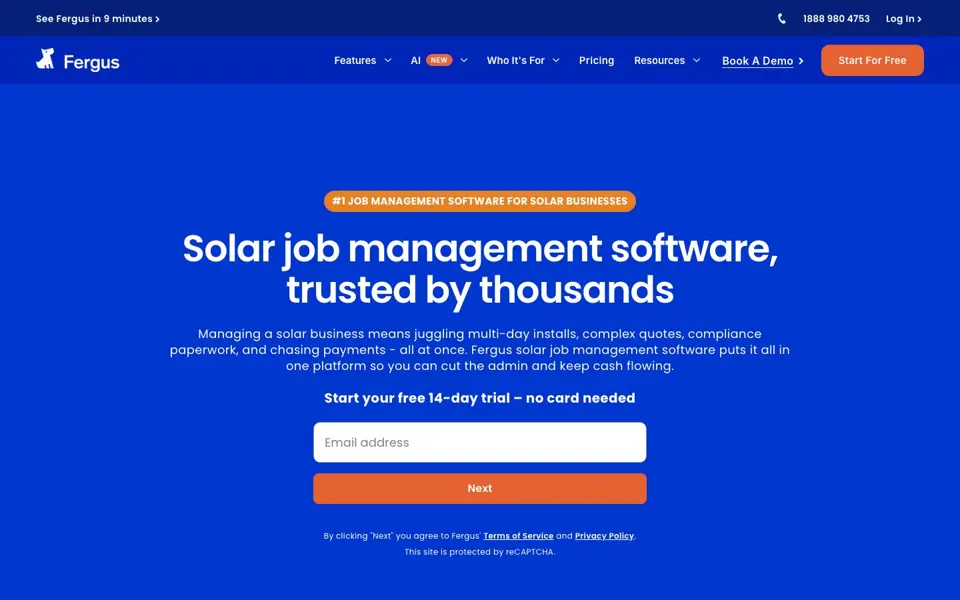
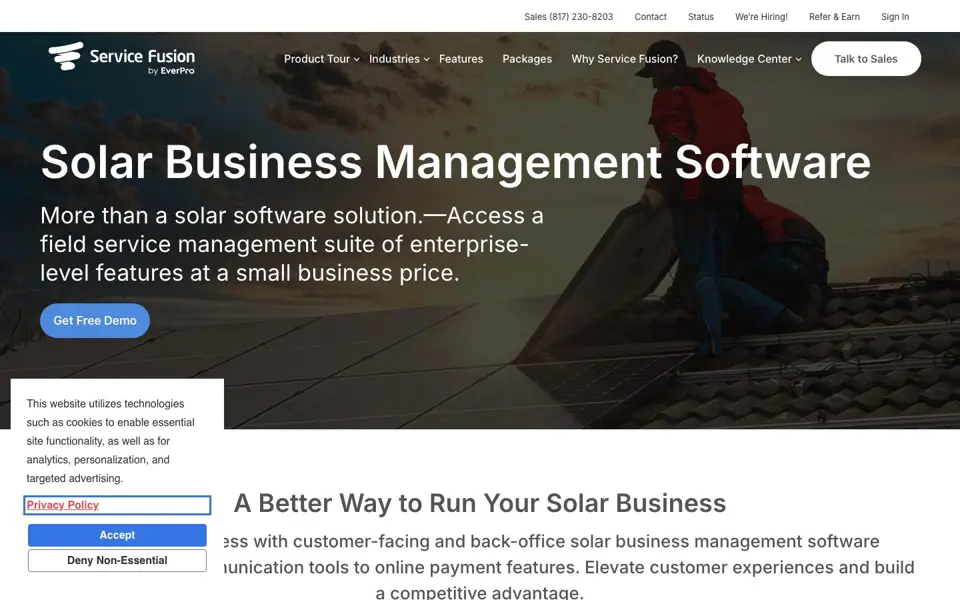
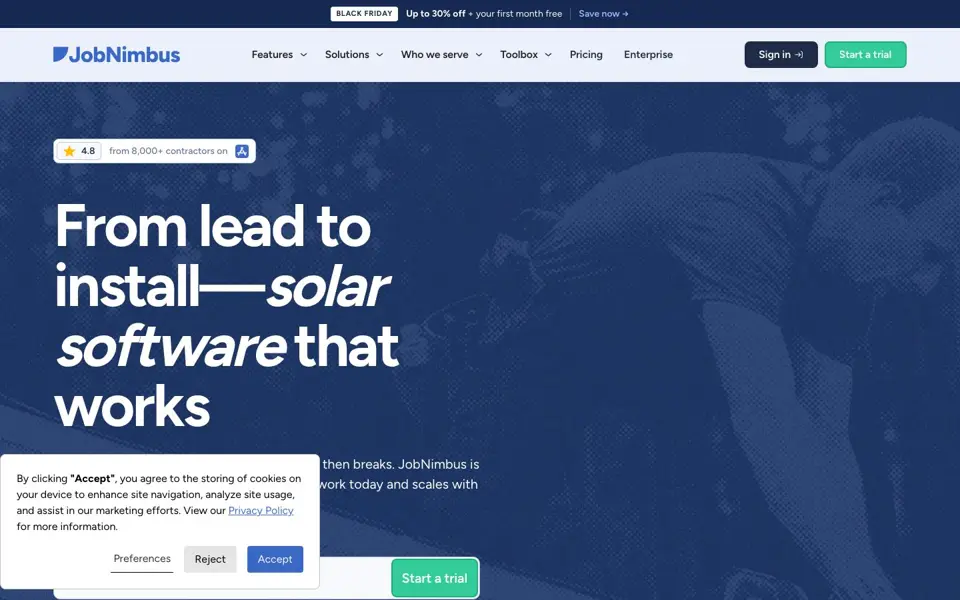
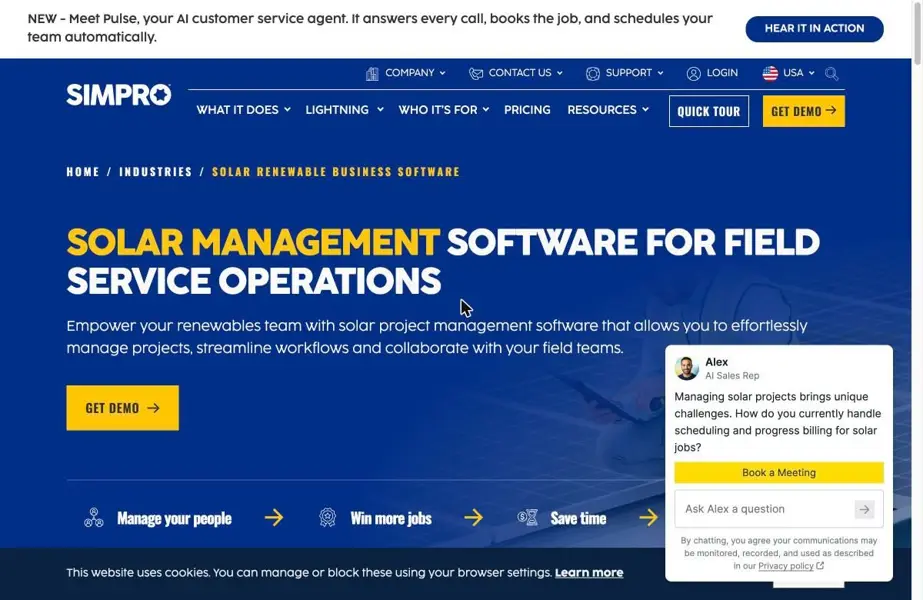
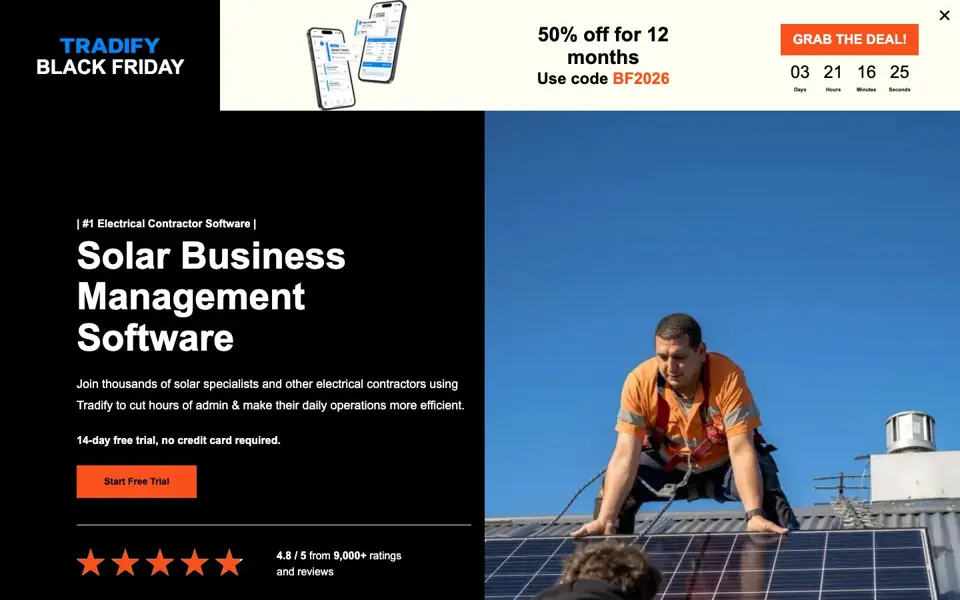
5 CRMs built only for solar and 8 multi trade CRMs that publish a solar page. We compared each solar page against the same vendor's other trade pages. 4 of 8 read like the same page with the trade name swapped.
Built for the trade
5
Generic vendors with a page
8
Pages that were swapped
4 of 8
Top search
solar software, 170 a month
How A Solar Job Actually Moves
A solar project starts with a lead, often from a door knocker, a referral or an online ad. The rep pulls the customer's utility bills, checks the roof on satellite images and designs a system with panels, inverters and maybe a battery. The proposal shows the system size, the expected production, the savings and the payment choices, like cash, a loan or a lease. The customer signs, and a long back office stretch begins. There is a site survey, final design, engineering, permits with the city, approval from the utility and sometimes an HOA. Then comes install day, an inspection, and the utility's permission to operate. Each step can stall. Payment often comes in stages, with lender funding tied to milestones like install and permission to operate. After that, the system gets monitored and service calls come in years later.
Built For Solar
These tools were made for solar businesses first. Their screens use your words, not sales words.
Each of these sells to many trades and has a page aimed at solar. We screenshot that page and compare its text with the same company's pages for other trades. Sorted from most real to most swapped.
HighLevel (GoHighLevel) publishes a solar page. These sentences on it also appear on its pages for other trades, with only the trade word changed. We replaced the trade word with a marker so you can see it.
learn how to leverage highlevel for the [trade] industry!
A solar job passes through survey, design, permit, utility approval, install, inspection and permission to operate. Each step has its own owner and wait times. The tool needs to show where every project is stuck. Without it, projects sit for weeks waiting on one missing document and customers start canceling.
Demo test. Ask the rep to show a board of projects by milestone with how many days each has been stuck.
Proposal And Design Link
The proposal is built from the system design, utility bills and payment options. The CRM should pull that design and proposal in, not make the rep retype it. When the numbers do not match between design and CRM, the install crew builds the wrong system or the lender rejects the paperwork.
Demo test. Ask to see a design tool proposal show up in the CRM with system size and equipment list.
Lender And Funding Milestones
Many solar jobs are paid through loans or leases that fund in stages. The tool must track which lender, which milestone was submitted and what money is still due. Without it, you finish installs and wait months for money that never got requested.
Demo test. Ask the rep to show a project with lender milestones submitted and amounts still owed.
Permit And Utility Document Storage
Permits, one line drawings, utility applications, HOA letters and inspection reports all have to be stored and sent at the right time. Every city and utility asks for something a little different. If documents live in email threads, a missing page can hold a project for a month.
Demo test. Ask to see all documents for one project in one place, with what is still missing.
Sales Rep And Commission Tracking
Solar sales are often done by reps or dealers paid on commission, with clawbacks if a deal cancels. The tool should track who sold what, what was paid and what can be taken back. Without clear records, commission fights eat up your time and good reps leave.
Demo test. Ask the rep to run a commission report that shows paid, pending and clawed back deals.
Service And Monitoring After Install
The job is not done at permission to operate. Inverters fail, panels get shaded, and customers call when their bill goes up. The tool should link to system monitoring and log service calls tied to the install record. Without that, warranty work gets lost and customers feel abandoned after the sale.
Demo test. Ask to see a finished project with monitoring data and a service ticket attached.
Signs It Is Generic
Treats a signed contract as the end, with a "closed won" stage and nothing after
No milestones for permit, utility approval or permission to operate
No place for system size, panel count or equipment
No lender funding tracking
Systems It Should Connect To
Aurora Solar
OpenSolar
Enphase Enlighten
SolarEdge monitoring
Tesla Powerwall app
GoodLeap
Mosaic
Dividend Finance
Utility interconnection portals
Google Project Sunroof
QuickBooks
What It Costs
Solar software pricing varies a lot. Some tools charge per user each month, some charge per project or per signed deal, and some only quote after a sales call. Design tools, proposal tools and monitoring are often separate products with their own pricing. Lender and dealer portals usually do not cost you directly. Ask how the price changes as your project count grows.
Monthly Google searches in the United States, {SEEN}. Cost is what advertisers pay per click, which shows how hard vendors fight for that search.
Search
Per month
Ad cost per click
solar software
170
$23.13
crm for solar
140
$12.81
solar crm
140
$12.81
solar crm software
50
$74.33
solar business software
20
solar estimating software
20
$6.71
solar management software
20
best crm for solar
10
best solar software
10
crm for solar installers
10
Questions People Ask
What is the best CRM for a solar company?
The best one tracks the full project after the sale, from site survey to permission to operate, and ties in your design tool and lenders. It should also handle rep commissions and service calls after install. Plenty of CRMs handle the sales side well but stop at the signed contract. In solar, most of the pain comes after the signature.
How do solar companies track permits and utility approvals?
They use a project board with a stage for each step, like permit submitted, permit approved, utility application sent and permission to operate. Each stage holds its documents and dates. Good software flags projects that have sat too long. This helps the office chase the city or utility before the customer calls asking why nothing is happening.
Can solar software connect to design tools?
Many solar CRMs link to popular design and proposal tools, so the system size, equipment and savings flow into the project without retyping. Ask which design tools the CRM works with and what data comes across. If the link only brings over a PDF, you will still be typing numbers by hand and making mistakes.
How do solar installers get paid on financed jobs?
With loans and leases, the lender often pays in stages tied to milestones like signed contract, install complete and permission to operate. Each payment needs paperwork submitted through the lender's portal. Your software should track what was sent, what was approved and what is still owed. Missed milestone requests can leave a lot of money sitting out.
How do solar companies track sales rep commissions?
They set up commission rules by rep or dealer and tie payouts to project milestones. If a project cancels before install, the tool should show any clawback. Clear reports by rep help cut down on arguments. Commission tracking is one of the areas where solar CRMs differ most, so ask to see real reports in the demo.
Do solar companies need software after the install?
Yes. Systems need monitoring and service for years. Your software should link to inverter monitoring so you can see when a system stops producing, and it should log service visits against the original install. That protects your warranty promises, catches problems before the customer notices and can lead to add on sales like batteries.