Bail Bonds CRM and software, checked November 2026
CRM For Bail Bonds
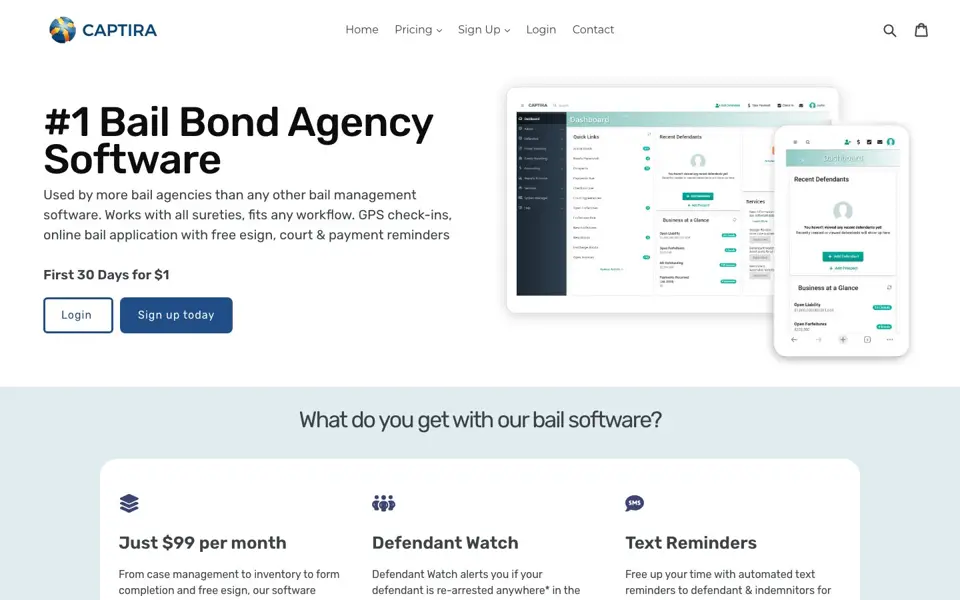
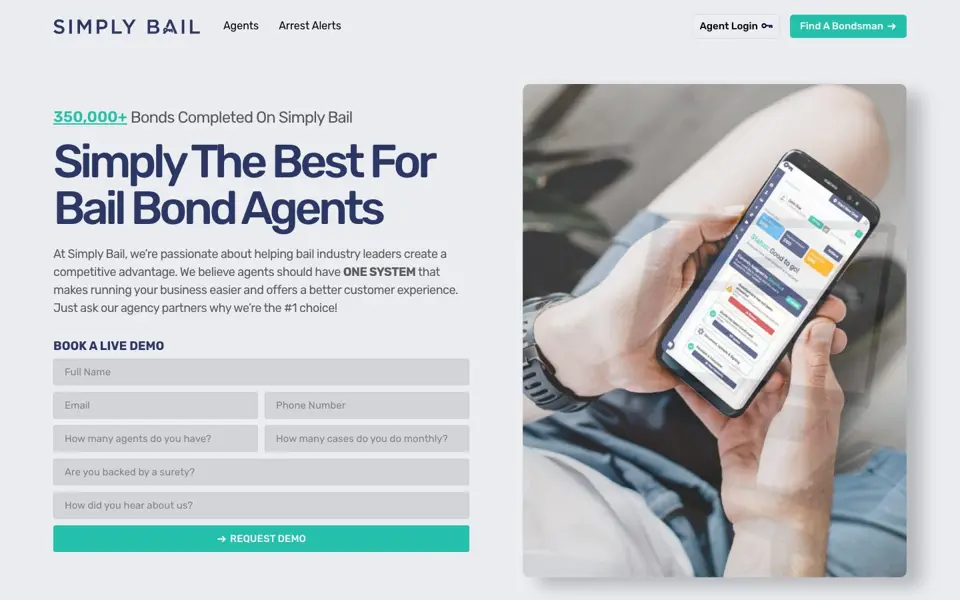
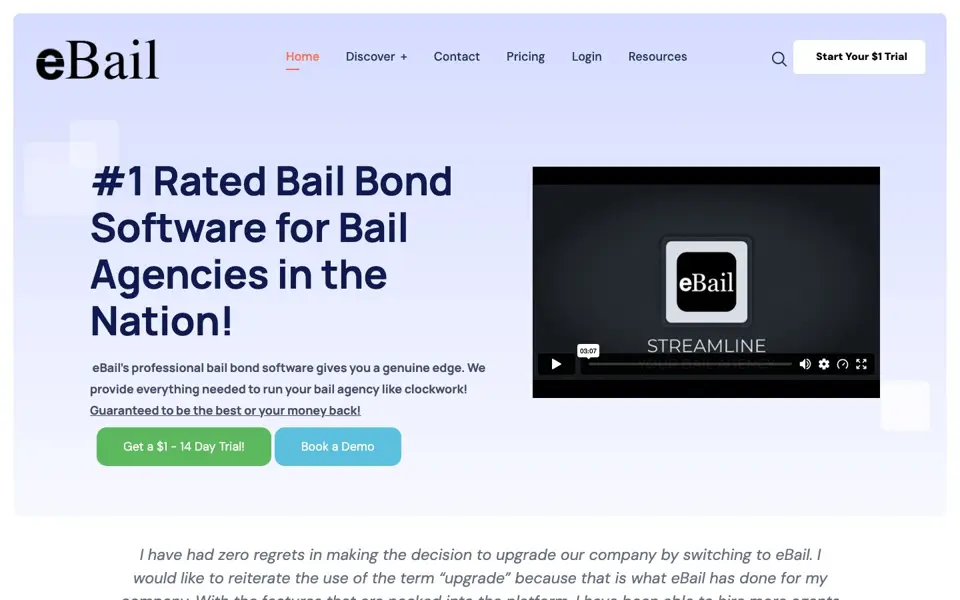
5 CRMs built only for bail bonds.
Built for the trade
5
Generic vendors with a page
0
Pages that were swapped
Not tested
Top search
Low volume
How A Bail Bonds Job Actually Moves
A family member calls, often late at night, because someone they love is in jail. The agent asks for the defendant's name, the jail, the booking number and the bail amount. You look up the inmate and charges, then talk through the premium and collateral. The cosigner, called the indemnitor, fills out an application, signs the indemnity agreement and pays the premium, often on a payment plan. You run their info and may take collateral. The agent posts the bond at the jail and the defendant is released. That is when the real work starts. You track every court date, send reminders, and require check ins. If the defendant misses court, the bond goes into forfeiture and the clock starts. You contact the cosigner, look for the defendant, and work to get them back before you have to pay the full bond. When the case ends, the bond is exonerated and collateral is returned.
Built For Bail Bonds
These tools were made for bail bonds businesses first. Their screens use your words, not sales words.
None of the multi trade vendors we checked publish a page for bail bonds.
What A Bail Bonds CRM Must Do
Court Date Tracking And Reminders
A missed court date can turn a small premium into paying the full bond. You need every court date on the bond, with automatic reminders to the defendant and the cosigner by text and call. Without it, agents keep dates on paper and defendants say nobody told them.
Demo test. Add a court date to a bond and show the reminder texts that go to the defendant and indemnitor.
Indemnitor And Collateral Records
Each bond can have several cosigners and pieces of collateral like a car title or a property deed. You need all of that tied to the bond, with documents and photos, and a record of when collateral comes back. Losing track of collateral creates legal trouble.
Demo test. Add two indemnitors and a vehicle title as collateral to one bond and show where it is released.
Premium Payment Plans
Many families cannot pay the whole premium at once, so they go on a payment plan. The tool needs to schedule payments, send reminders, take card payments and flag late accounts. Without it, payment plans slip and the office chases dozens of people by phone.
Demo test. Set up a premium plan with weekly payments and show the late payment flag.
Defendant Check Ins
Requiring regular check ins keeps defendants on your radar. A tool that lets them check in by phone with a photo and location is much easier than calling the office. Missed check ins are your early warning that someone may skip.
Demo test. Run a demo check in from a phone and see where it shows for the agent.
Forfeiture And Recovery Workflow
When a defendant misses court, there is a deadline before you pay the full bond. The tool should flip the bond into forfeiture, show the deadline, and keep notes on every contact and lead. Without this, agents lose track of time and pay bonds they could have saved.
Demo test. Mark a bond as forfeited and show the countdown and the steps tied to it.
Power Of Attorney And Surety Reporting
Agents write bonds under powers issued by a surety company. Each power must be tracked, voided powers recorded, and reports sent to the surety on schedule. Messy power tracking is one of the fastest ways to get in trouble with your surety and state regulators.
Demo test. Ask them to show a power inventory, a voided power and the surety report.
Signs It Is Generic
Calls a bond a deal or an opportunity
No place for court dates, case numbers or charges
No indemnitor or collateral fields, just one contact per record
No way to track powers or surety reports
Talks about marketing funnels but not forfeiture deadlines
Systems It Should Connect To
County jail inmate search portals
Court case lookup systems
QuickBooks Online
Stripe
DocuSign
TLOxp
LexisNexis Accurint
BI Incorporated
SCRAM Systems
What It Costs
Bail bond software is often priced per agent or per office each month, and some tools charge by the number of active bonds. Text and call reminders may be billed by usage. Check in apps, electronic monitoring and skip tracing searches are usually separate costs. Ask about setup, data import from your old system and any fees for surety reports.
Bail agents use bond management systems that track defendants, indemnitors, collateral, court dates, payment plans, powers and surety reports. Most also have check in apps and reminder texts. A general CRM cannot handle powers or forfeiture deadlines, so look for a tool built for the bail business before anything else.
How do bail bond companies remind defendants of court dates?
Most use automatic texts and calls sent days before and the morning of each court date. The best tools also remind the cosigner, since they have money on the line and push the defendant to show. Every reminder should be logged on the bond in case there is a dispute later.
How do bail bond payment plans work in software?
The agent sets the total premium owed, the down payment and the schedule. The software sends payment reminders, takes card payments from a text link and flags late accounts. Late plans should show up on a list so the office can call the indemnitor before it turns into a collection problem.
What happens in bail software when a defendant skips court?
The bond gets marked as forfeited and the deadline to surrender the defendant starts. Good software shows that deadline, logs every contact with the defendant and cosigners, and keeps notes on leads. When the defendant is back in custody, the bond record shows the surrender and the case moves toward exoneration.
Can bail bond software track check ins?
Many tools have a phone app or text link where defendants check in with a photo and location. That gives the agent a record and early warning when check ins stop. Some agencies also work with electronic monitoring vendors for higher risk defendants and keep those alerts on the bond.
Do bail bond agents need a CRM?
You need a system that holds every bond, defendant, cosigner, court date and payment in one place. Most agents get the most from a bond management tool with CRM features built in. A plain sales CRM will hold phone numbers but leave out the court and surety work that keeps you in business.